

The Top 5 Premium Whitening Toothpastes for 2026
Main Takeaways
- Premium whitening toothpaste for 2026 falls into two categories: peroxide-based formulas that target deep intrinsic stains, and gentle polishing formulas that remove surface discoloration without damaging enamel.
- Patients with veneers, bonding, or other cosmetic dental work should choose low-abrasion formulas to protect their investment.
- Even the best over-the-counter whitening toothpaste serves as a maintenance tool—professional treatments deliver more dramatic, longer-lasting results.
Premium whitening toothpaste has become a staple in cosmetic dental care, and for good reason. The right formula keeps teeth bright between professional cleanings while protecting enamel from damage. But how do you know which toothpaste is worth the higher price tag? And does the mechanism of action matter if you have existing dental work?
The short answer: yes, it matters quite a lot. A peroxide-based formula works differently than a polishing formula, and choosing the wrong one can compromise veneers or cause unnecessary sensitivity. Below, we break down the five best professional-grade whitening toothpastes available in 2026, explain how each one works, and help you figure out which is right for your specific situation.
If you're considering a full cosmetic dentistry consultation, understanding these products will help you maintain results long after you leave the dental chair.
How Premium Whitening Toothpaste Works: Peroxide vs. Polishing
Before we get into specific products, it helps to understand the two main approaches to whitening toothpaste. Some formulas use hydrogen peroxide or carbamide peroxide to penetrate enamel and break apart stain molecules from within. Others rely on gentle abrasives or enzymatic action to polish away surface stains without affecting the enamel structure.
Which approach is better? That depends entirely on what kind of stains you're dealing with.
Intrinsic stains sit beneath the enamel surface. They come from aging, certain medications, or years of coffee and red wine consumption. Peroxide-based toothpastes can address these stains, though not as dramatically as in-office treatments.
Extrinsic stains sit on the surface of enamel. They come from food, drinks, and tobacco. Polishing formulas handle these well without any risk to enamel integrity.
Here's a quick comparison:
| Stain Type | Cause | Best Toothpaste Approach |
|---|---|---|
| Intrinsic | Aging, medications, deep discoloration | Peroxide-based formulas |
| Extrinsic | Coffee, tea, wine, tobacco | Polishing or enzymatic formulas |
| Mixed | Combination of both | Alternating approaches or professional assessment |
If you've invested in veneers, bonding, or crowns, polishing formulas are almost always the safer choice. Peroxide won't damage porcelain, but it wont whiten it either—and the contrast between whitened natural teeth and unchanged restorations can look odd.
For more on maintaining cosmetic dental work, see our guide on choosing a cosmetic dentist in Manhattan.
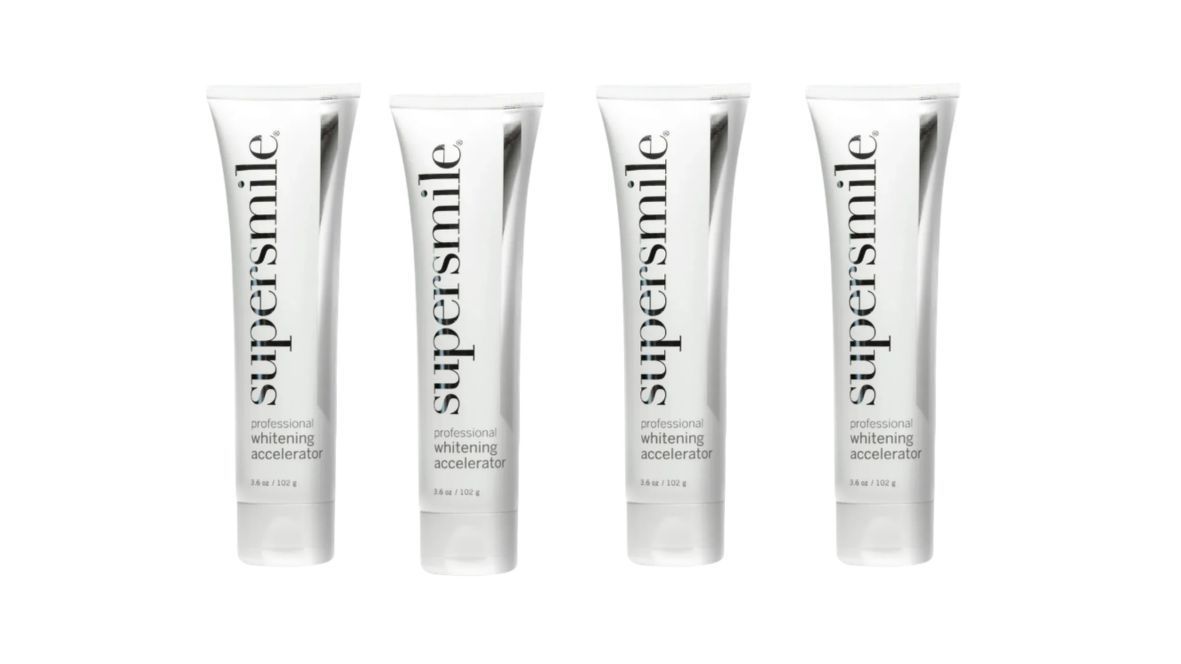
Supersmile Extra White Fluoride Free Toothpaste
Price: $65.00
Core Technology: 3X Calprox
Best For: Patients with veneers, bonding, or cosmetic restorations
Supersmile takes a fundamentally different approach than most whitening toothpastes. Rather than using abrasives or peroxide, it relies on Calprox technology to dissolve the protein pellicle—the thin film where stains attach to teeth. Once that film breaks down, stains lift away without any scrubbing action against enamel.
Why does this matter? Abrasive toothpastes are measured on something called the RDA scale (Relative Dentin Abrasivity). Higher numbers mean more abrasion. Supersmile scores exceptionally low on this scale, making it one of the safest options for porcelain veneers and composite bonding.
The formula is also fluoride-free, which some patients prefer. The trade-off is that you won't get the cavity-fighting benefits of fluoride, so you may want to use a fluoride rinse separately if cavity prevention is a concern.
Who should use it:
- Patients with veneers, crowns, or bonding
- Anyone concerned about enamel wear
- Those who prefer fluoride-free oral care
Who might want something else:
- Patients looking for deep intrinsic stain removal
- Those who want fluoride protection built in
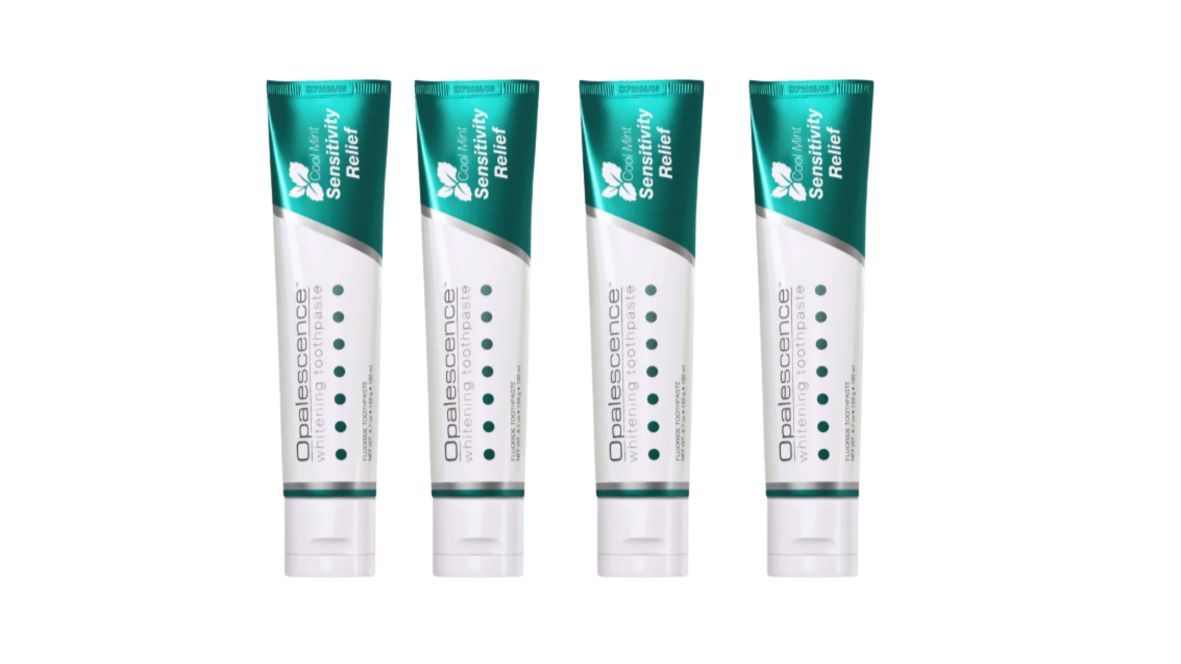
Opalescence Whitening Toothpaste
Price: $14.98
Core Technology: Non-abrasive polishing agents
Best For: Professional maintenance between office visits
Opalescence is a name dental professionals recognize. The brand makes clinical-grade whitening systems used in dental offices worldwide, and their toothpaste follows the same philosophy: effective stain removal with enamel protection as the priority.
The formula uses targeted polishing agents that remove surface stains gradually. It won't deliver overnight results—and thats intentional. Gradual stain removal is gentler on enamel and produces more consistent results over time.
Many cosmetic dentists recommend Opalescence toothpaste specifically for patients who've completed professional whitening treatments. It helps maintain brightness without the risk of overdoing it with harsh at-home products.
Is it glamorous? Not particularly. The packaging is clinical rather than luxurious. But for patients who want dentist-recommended maintenance at a reasonable price point, its hard to beat.
Who should use it:
- Patients maintaining results after professional whitening
- Those who want a dentist-trusted brand
- Anyone seeking gradual, consistent results
Who might want something else:
- Patients looking for luxury packaging and experience
- Those who need intensive stain removal
For information on whitening options for sensitive teeth, we've written a separate guide.
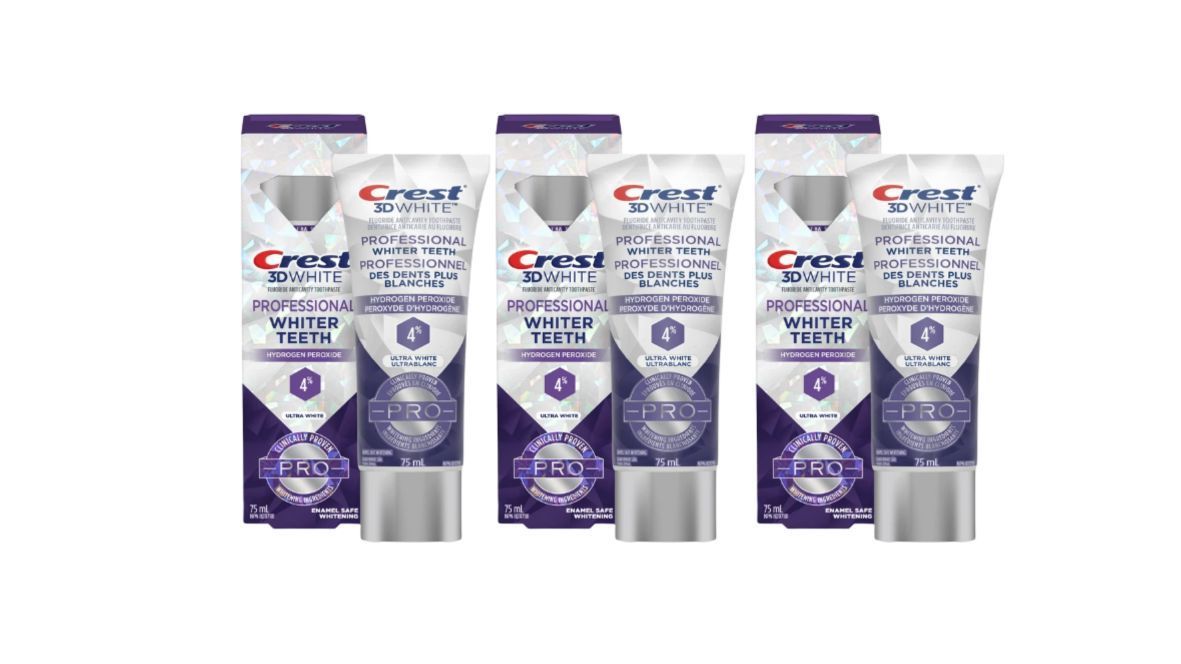
Crest Professional 3D White Toothpaste
Price: $12.29
Core Technology: 4% hydrogen peroxide
Best For: At-home treatment of deep-set discoloration
Crest Professional 3D White stands out for one reason: it contains 4% hydrogen peroxide, one of the highest concentrations available without a prescription. Most whitening toothpastes rely on polishing action alone. Crest took a different route.
The peroxide penetrates enamel to break apart stain molecules beneath the surface. Surface polishing can't accomplish this—you need a bleaching agent. The 4% concentration is strong enough to produce visible results but mild enough for daily use.
A few things to keep in mind. Peroxide-based products can increase sensitivity, especially if you already have thin enamel or exposed dentin. If you've ever experienced a sharp zing from cold water or ice cream, this formula might not be ideal for you. Also, peroxide whitens natural tooth structure only. Crowns, veneers, and bonding materials won't respond to it.
Who should use it:
- Patients with natural teeth seeking intensive whitening
- Those who don't experience significant sensitivity
- People targeting deep-set, intrinsic stains
Who might want something else:
- Patients with veneers or cosmetic restorations
- Those with sensitivity issues
- Anyone who reacts poorly to peroxide
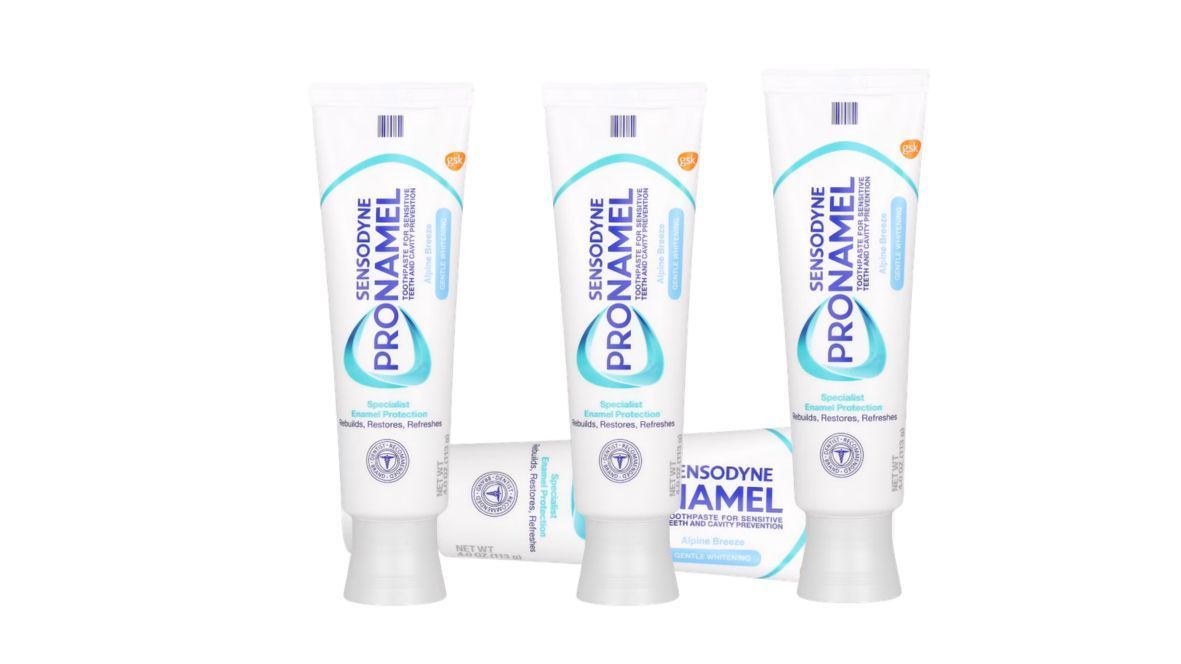
Sensodyne Pronamel Gentle Teeth Whitening Enamel Toothpaste
Price: $29.99 (4-pack)
Core Technology: Optimized fluoride for remineralization
Best For: Patients with sensitivity who still want whitening
Sensitivity is the number one complaint among people who try whitening products. The peroxide burns. The abrasives irritate. The whole experience becomes unpleasant enough that many people give up on whitening altogether.
Sensodyne Pronamel addresses this problem directly. The formula focuses on remineralization—strengthening enamel by depositing minerals back into the tooth structure. Stronger enamel means less sensitivity. The whitening component uses gentle polishing rather than aggressive abrasion or peroxide, making it tolerable for sensitive teeth.
Does it whiten as dramatically as Crest 3D White? No. But for patients who've tried other products and found them too harsh, Pronamel offers a workable compromise. You get modest whitening benefits without the discomfort.
The formula also protects against acid erosion, which makes it useful for patients who consume acidic foods and beverages regularly. Coffee, wine, citrus, and soda all wear down enamel over time. Pronamel helps counteract that damage.
Who should use it:
- Patients with sensitive teeth
- Those prone to acid erosion
- Anyone who's abandoned whitening due to discomfort
Who might want something else:
- Patients seeking dramatic whitening results
- Those without sensitivity concerns
Interested in how whitening mouthwash compares? We've covered that topic as well.
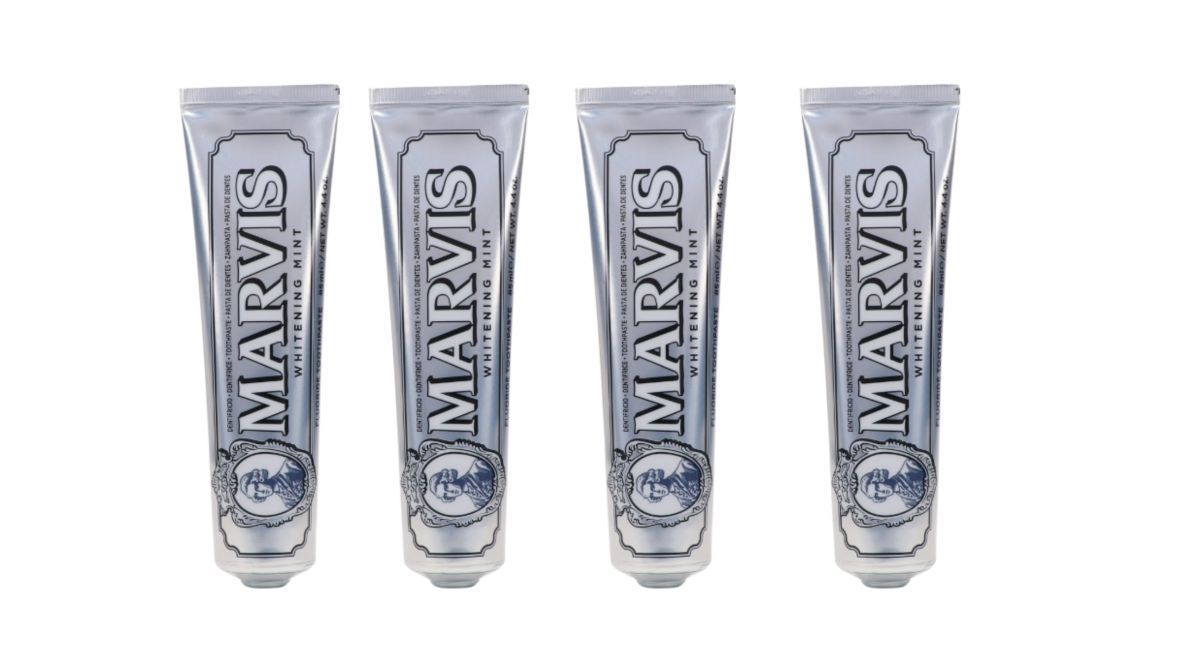
Marvis Whitening Mint Toothpaste
Price: $32.99 (2-pack)
Core Technology: Hydrated silica blend
Best For: Luxury daily routine with reliable stain reduction
Marvis approaches oral care from a different angle than clinical brands. The Italian company treats toothpaste as a sensory experience, not just a functional product. The packaging is distinctive—silver Art Deco tubes that look more like something you'd find in a boutique than a pharmacy.
But does it work? Yes. The hydrated silica formula polishes effectively without excessive abrasion. The mint flavor is intense and long-lasting, noticeably different from mass-market toothpastes. Many users describe it as a treat rather than a chore.
The whitening results are moderate. Marvis won't transform severely stained teeth, but it will maintain brightness and prevent new surface stains from building up. For someone who's already had professional whitening and wants to extend those results while enjoying a premium daily ritual, Marvis fits the bill.
One consideration: Marvis doesn't contain fluoride. Like Supersmile, you'll need to supplement with a fluoride rinse if cavity prevention is a priority.
Who should use it:
- Patients who appreciate luxury oral care products
- Those maintaining already-white teeth
- Anyone who finds standard toothpastes boring or unpleasant
Who might want something else:
- Patients seeking clinical-strength whitening
- Those who want fluoride in their toothpaste
Comparing All Five: Quick Reference Table
| Product | Price | Mechanism | Best For | Contains Fluoride |
|---|---|---|---|---|
| Supersmile Extra White | $65 | Calprox (protein pellicle dissolution) | Veneers/bonding | No |
| Opalescence | $15 | Non-abrasive polishing | Professional maintenance | Yes |
| Crest Professional 3D White | $12 | 4% hydrogen peroxide | Deep intrinsic stains | Yes |
| Sensodyne Pronamel | $30 (4-pack) | Remineralization + gentle polish | Sensitive teeth | Yes |
| Marvis Whitening Mint | $33 (2-pack) | Hydrated silica polish | Luxury routine | No |
When to See a Professional Instead
Premium whitening toothpaste serves an important role, but it has limitations. If you're dealing with significant discoloration—tetracycline staining, fluorosis, or years of accumulated deep stains—toothpaste alone won't deliver the results you want. Professional treatments like deep bleaching can address stains that no over-the-counter product can touch.
Similarly, if you're experiencing sensitivity that doesn't improve with a gentle formula like Sensodyne, you should see a dentist. Persistent sensitivity can indicate enamel erosion, exposed roots, or other issues that require professional attention.
For those in the Tribeca area, scheduling a consultation at Tribeca Smiles provides access to advanced whitening systems and personalized recommendations based on your specific dental history.
Frequently Asked Questions
How long does premium whitening toothpaste take to show results?
Most polishing-based formulas show gradual improvement over 2-4 weeks of consistent use. Peroxide-based formulas like Crest 3D White may produce visible changes within 1-2 weeks. Individual results depend on the type and severity of staining.
Can I use whitening toothpaste on veneers?
Yes, but choose carefully. Low-abrasion formulas like Supersmile are safe for veneers. Peroxide-based formulas won't damage veneers, but they also wont change their color—only natural tooth structure responds to peroxide.
Is it safe to use whitening toothpaste every day?
Most premium whitening toothpastes are formulated for daily use. Check the RDA rating if you're concerned about abrasion—anything under 250 is considered safe for daily use, and most quality brands fall well below that threshold.
Does fluoride-free whitening toothpaste work as well?
Fluoride has no direct impact on whitening. It prevents cavities by strengthening enamel. Fluoride-free options like Supersmile and Marvis whiten just as effectively, but you may want to add a fluoride rinse to your routine for cavity protection.
Why do some whitening toothpastes cause sensitivity?
Peroxide can irritate nerve endings in teeth, especially if enamel is thin or worn. Highly abrasive formulas can also expose dentin over time, increasing sensitivity. Switching to a remineralizing formula like Sensodyne Pronamel often helps.
Ready for professional-grade whitening results?
Dr. Frederick Solomon at Tribeca Smiles combines advanced cosmetic dentistry with a patient-centered approach.
Whether you need deep bleaching, veneers, or simply want expert guidance on maintaining your smile, the Tribeca Smiles practice offers comprehensive care backed by the latest technology—including a unique integration of Traditional Chinese Medicine for patients who experience dental anxiety.