

Top 5 Whitening Toothpastes for Sensitive Teeth in 2026
Key Takeaways
- The best whitening toothpaste for sensitive teeth in 2026 is Sensodyne Clinical Repair Whiten & Shine, with 60-second activation and sensitivity relief in three days.
- Boka and RiseWell now use nano-hydroxyapatite to repair enamel and whiten teeth naturally — no fluoride or peroxide needed.
- Bioactive glass is 2026's biggest breakthrough, with clinical trials showing pain reduction in just 48 hours.
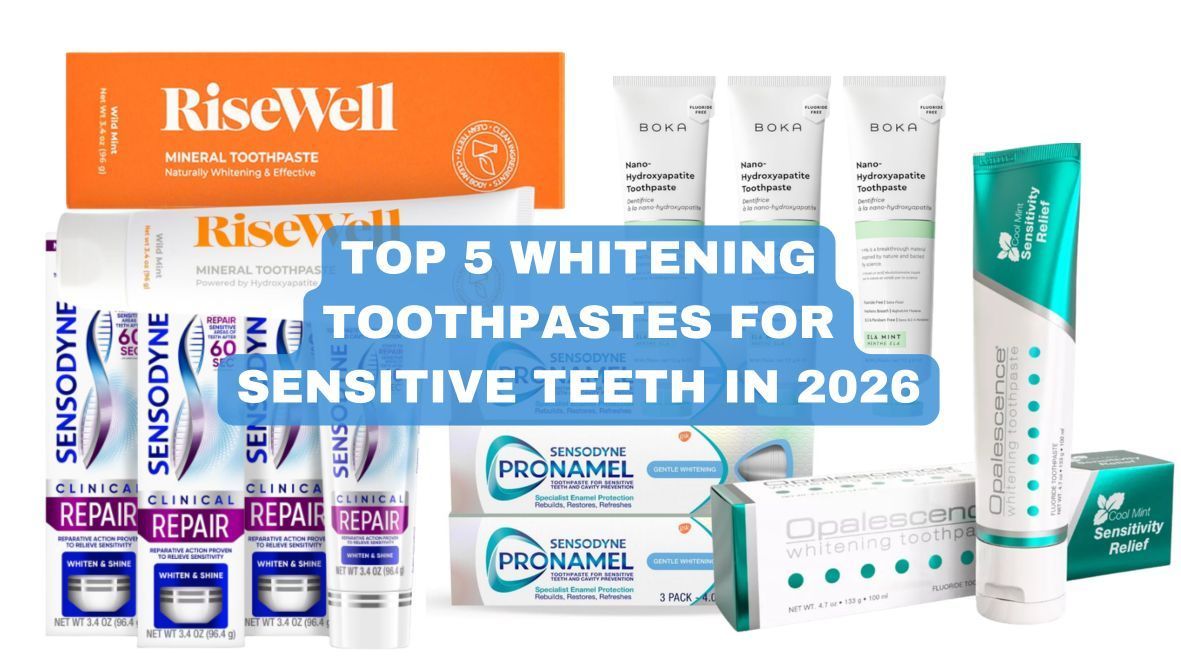
Best Whitening Toothpastes for Sensitive Teeth in 2026 Approved by Tribeca Dentist Dr. Frederick Solomon
Looking for the best whitening toothpaste for sensitive teeth in 2026? You’re not alone. Millions of people deal with tooth sensitivity, and for years that meant choosing between a brighter smile and a pain-free one. That’s no longer the case.
The science behind whitening toothpastes has taken a major leap forward this year, with new formulas that repair enamel, block nerve pain, and remove stains—all without the harsh chemicals that made your teeth hurt in the first place.
Tribeca Smiles founder Dr. Frederick Solomon has personally reviewed and approved these top whitening toothpastes for sensitive teeth in 2026, which represent the best of what’s available right now.
Quick Recommendation:
- Best Overall for Sensitive Teeth: Sensodyne Clinical Repair Whiten & Shine
- Best Fluoride-Free for Sensitivity: Boka Toothpaste for Sensitive Teeth
- Best Clean-Ingredient Premium: RiseWell PRO Mineral Toothpaste
- Best Budget-Friendly: Sensodyne Pronamel Gentle Whitening
- Best Professional-Grade: Opal by Opalescence Sensitivity Relief
Understanding Tooth Sensitivity and Whitening in 2026
Why do teeth get sensitive in the first place? It starts when the protective enamel layer wears thin, exposing the dentin underneath. Dentin is full of tiny tubes (called tubules) that lead straight to the nerve center of your tooth. When something hot, cold, sweet, or acidic hits those exposed tubes, it creates rapid fluid movement that triggers a sharp pain response.
Traditional whitening methods have long been a problem for people with sensitive teeth. Many formulas rely on coarse abrasives or high concentrations of hydrogen peroxide to scrub or bleach away stains. These methods work on stains, but they also strip away your enamel’s protective layer and irritate exposed nerves—the exact opposite of what sensitive teeth need.
The good news? The 2026 market has moved well past those old trade-offs. Today’s best whitening toothpastes use a completely different playbook:
- Low abrasiveness: Measured by RDA (Relative Dentin Abrasion) score, lower numbers mean gentler cleaning
- Nerve-calming ingredients: Potassium nitrate blocks pain signals, while stannous fluoride physically seals exposed tubules
- Biomimetic repair: Nano-hydroxyapatite and bioactive glass don’t just mask pain—they rebuild damaged enamel from the mineral level up
- Chemical stain removal: Advanced polyphosphates dissolve stains chemically instead of scrubbing them off, keeping enamel intact
Let’s break down the top contenders that get this balance right.
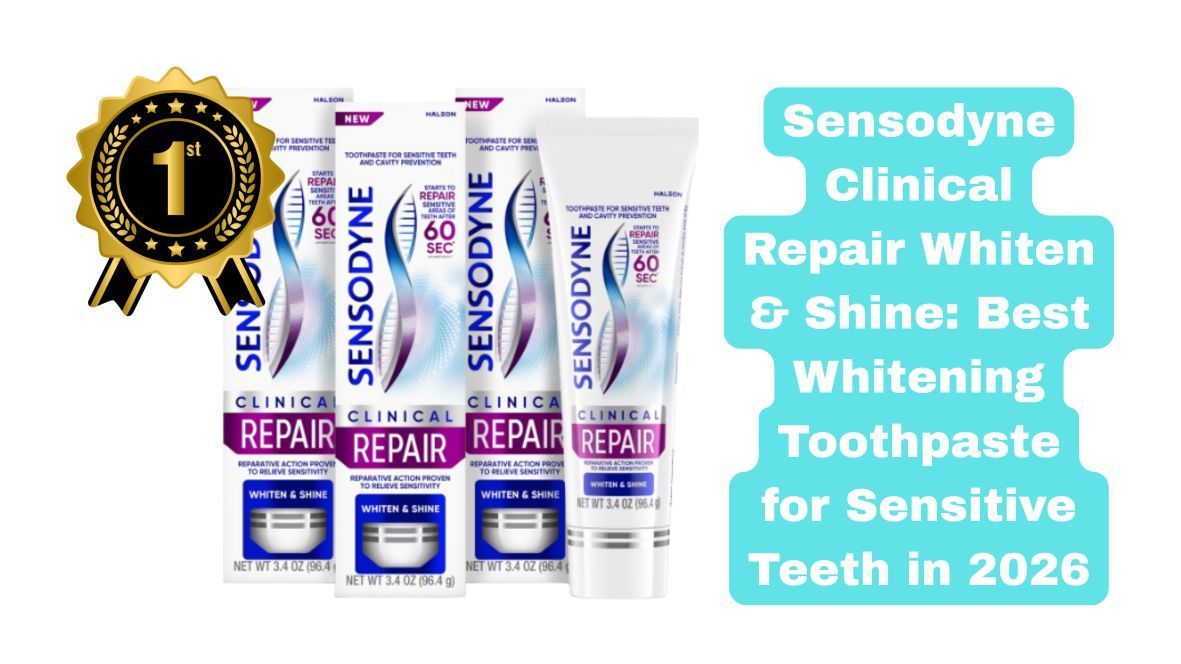
Sensodyne Clinical Repair Whiten & Shine: Best Whitening Toothpaste for Sensitive Teeth in 2026
If you used Sensodyne Clinical White last year and loved it, this is its upgraded replacement. Haleon launched Sensodyne Clinical Repair Whiten & Shine in February 2026 with a completely reworked formula that delivers faster, longer-lasting protection.
Key Ingredients and How They Work
The standout feature of Clinical Repair is its rapid-activation technology. The formula stays stable in the tube but kicks into gear the moment it hits your saliva during brushing, forming a protective layer over exposed dentin within 60 seconds.
- Stannous fluoride (0.454%): Physically seals exposed dentinal tubules and provides strong cavity protection
- Sodium tripolyphosphate: Chemically dissolves stains from coffee, tea, and tobacco instead of scrubbing them off
- No hydrogen peroxide: Avoids the common whitening agent that often triggers sensitivity flare-ups
- Cool arctic mint flavor: A new blue gel formula with natural peppermint and spearmint
Where last year’s Clinical White used potassium nitrate to calm nerves, Clinical Repair takes a different approach: it physically blocks the tubules with a stannous fluoride barrier that’s been shown to be harder, more durable, and more acid-resistant than competing formulas.
Clinical Evidence
Sensodyne backs Clinical Repair with more than 15 clinical studies on its stannous fluoride complex. The data shows substantial sensitivity relief within three days of twice-daily brushing. In head-to-head comparisons, the protective layer formed by Clinical Repair covered more of the dentin surface and held up better against acid attacks than leading competitors.
User Reviews
Early reception has been positive overall, though worth noting: some users on dental hygiene forums have reported mild gum irritation or canker sores with Sensodyne’s new blue-dyed formulas. Clinical consensus suggests these are isolated reactions likely caused by the synthetic dyes or altered surfactant blends. Most users report no issues, but if you have a history of mucosal sensitivity, it’s worth keeping an eye on.
Availability and Price
Available at Target, Walmart, Amazon, and most major retailers. A 3.4 oz tube runs $8.99 to $9.99—roughly the same price as the Clinical White it replaces.
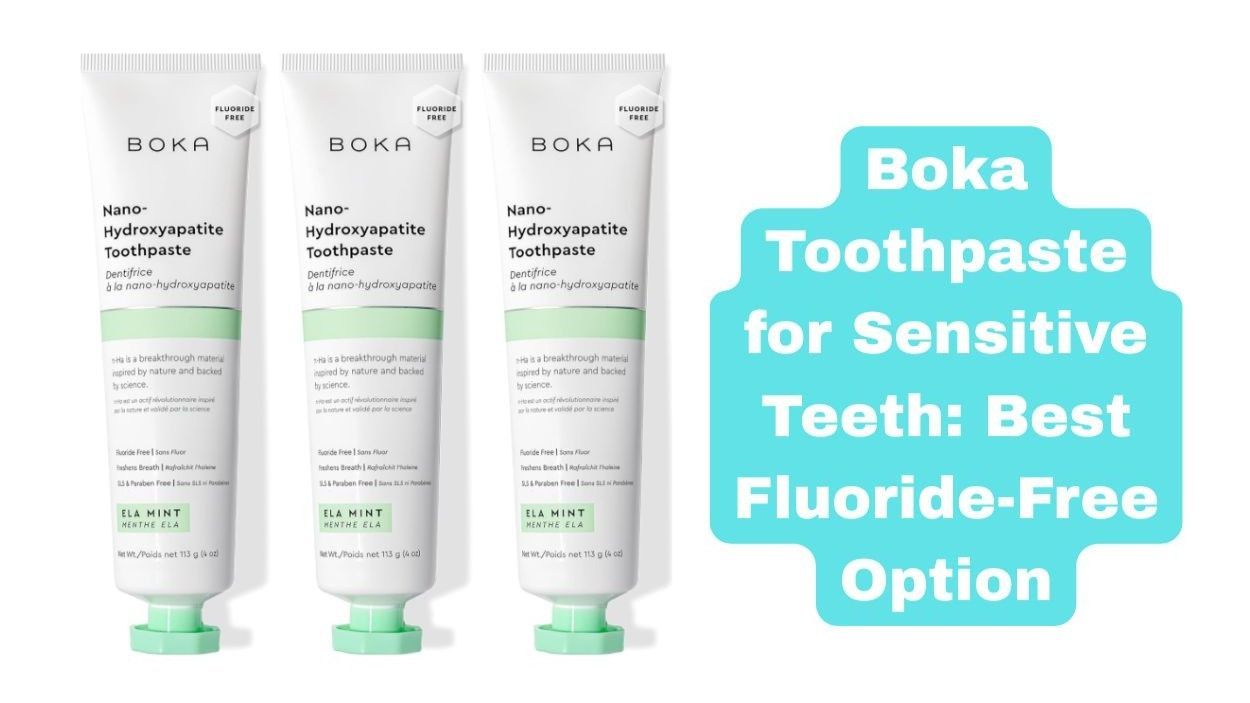
Boka Toothpaste for Sensitive Teeth: Best Fluoride-Free Option
Boka has been a standout in the natural oral care space for years, and their new Toothpaste for Sensitive Teeth, launched in February 2026, is their most targeted formula yet. If you liked Boka’s Ela Mint but wanted stronger sensitivity protection, this is the upgrade.
Key Ingredients and How They Work
What makes this 2026 formula special is its dual-action approach, combining two proven sensitivity fighters in one tube:
- Potassium nitrate (5%): Blocks pain signals from reaching your tooth’s nerves by flooding the area around nerve fibers with potassium ions, preventing them from firing
- Nano-hydroxyapatite (n-Ha): A mineral identical to what your teeth are made of, it fills in microscopic cracks and seals exposed tubules while creating a smoother, more reflective surface that looks naturally whiter
- No fluoride, SLS, parabens, artificial flavors, or synthetic dyes: Clean-beauty standards throughout
- "Mint Cream" flavor: A new botanical blend of mint, coconut, and cream notes
The whitening here works differently than bleaching. Instead of changing the color of your teeth chemically, the n-Ha deposits create a denser, smoother enamel surface that reflects light better—producing a naturally brighter appearance without any of the risks tied to peroxide.
Clinical Evidence
Research on nano-hydroxyapatite continues to show strong results. Clinical trials, including eight-week randomized controlled studies, have demonstrated that n-Ha reduces both tactile and thermal sensitivity and remineralizes early enamel lesions at rates comparable to high-strength fluoride treatments. The addition of 5% potassium nitrate in the 2026 Boka formula means you get both immediate nerve-calming and long-term structural repair.
User Reviews
Boka products consistently score between 4.5 and 4.9 stars from users online. Many people with sensitive teeth report using this toothpaste without any discomfort, and some notice reduced sensitivity to hot and cold within the first few weeks. The absence of SLS makes it a particularly good fit for anyone prone to mouth sores, dry mouth, or gum irritation from foaming agents.
Availability and Price
Available at CVS, Target, Walmart, and through Boka’s website. Pricing ranges from $11.88 to $11.99 for a 3.4 oz tube at retailers, or $14.00 for the 4.0 oz tube direct from Boka.
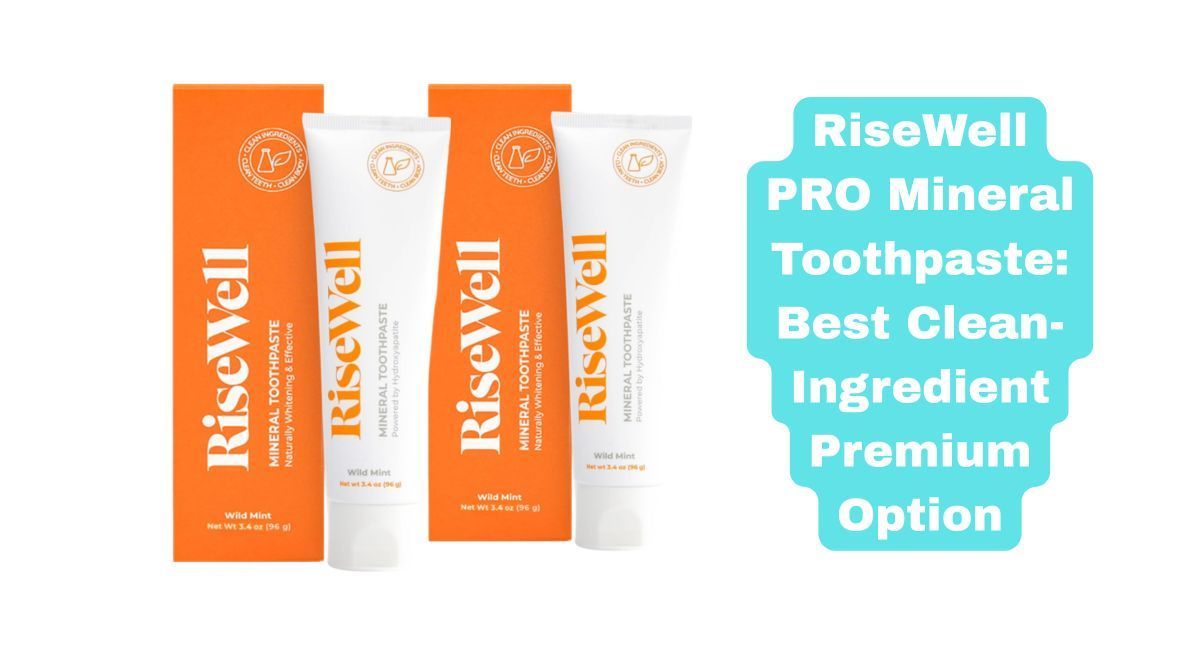
RiseWell PRO Mineral Toothpaste: Best Clean-Ingredient Premium Option
RiseWell has been a pioneer in hydroxyapatite-based oral care, and their PRO Mineral Toothpaste remains the gold standard for people who want the cleanest possible ingredient list without sacrificing real results.
Key Ingredients and How They Work
RiseWell’s approach is straightforward: pack the formula with a high concentration of hydroxyapatite and skip everything synthetic.
- 10% hydroxyapatite (micro and nano blend): The nano particles penetrate deep into exposed tubules to block nerve pain, while the larger micro particles form a protective layer on the enamel surface that absorbs daily acid attacks
- Ultra-low-abrasion silica: Gently lifts surface stains without scratching enamel
- Essential oils (wild mint, peppermint, orange peel, tea tree): Naturally inhibit bacterial plaque—the sticky film that traps dark stains on teeth
- No fluoride, sulfates, parabens, or artificial dyes
The whitening effect here is gradual and natural. By restoring enamel to its original dense, mineralized state, your teeth’s inherent whiteness shows through without any chemical bleaching or aggressive scrubbing.
Clinical Evidence
Research suggests hydroxyapatite may be as effective as or superior to fluoride for remineralizing teeth. Regular use produces a polished, glass-like enamel surface that resists future staining and slows the progression of early cavities. RiseWell doesn’t produce the rapid multi-shade whitening you’d get from a peroxide formula, but the long-term structural benefits are well-documented.
User Reviews
RiseWell earns consistently high ratings, around 4.5 to 4.8 stars. Many users mention that their dentists recommended the product, and the 100% clean, safe-to-swallow ingredient list makes it a popular choice for pregnant women, kids transitioning to adult toothpaste, and anyone with severe mucosal allergies.
Availability and Price
Available through RiseWell’s website and Amazon. The standard formula runs about $12.00, while the advanced PRO version is $22.00. It’s the priciest option on our list, but many users feel the premium ingredients justify the cost.
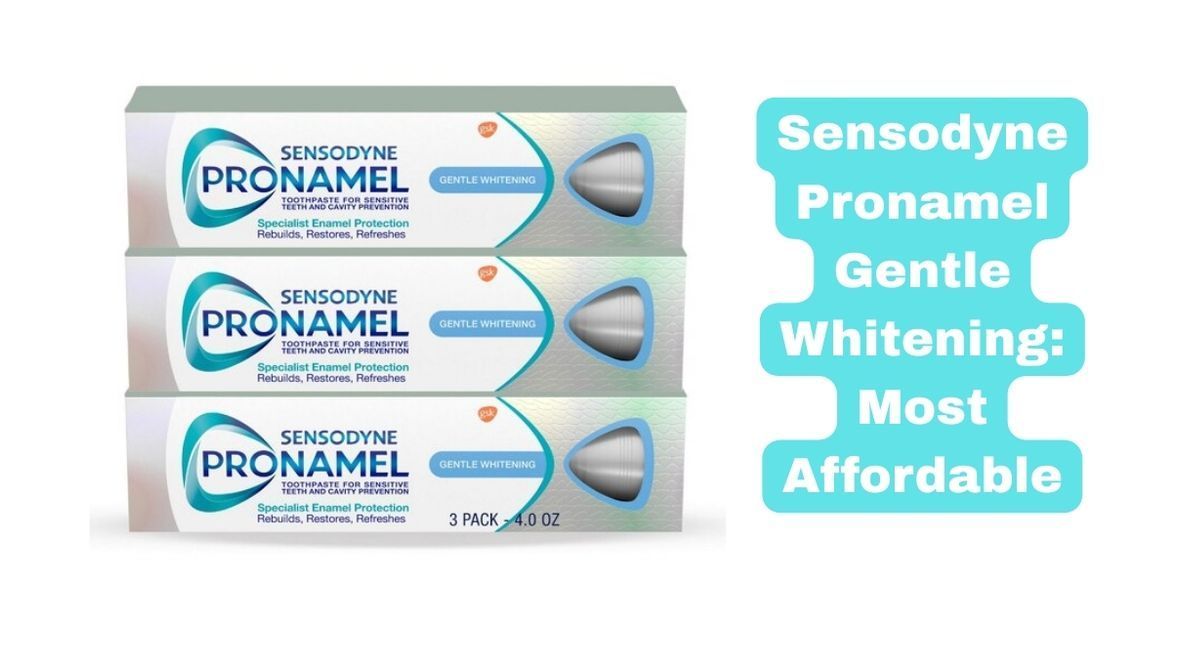
Sensodyne Pronamel Gentle Whitening: Most Affordable
Sensodyne Pronamel Gentle Whitening is back on the list for 2026, and for good reason. While the premium tier has gotten more exciting, Pronamel remains the reliable, affordable workhorse that millions of dentists recommend as a starting point for patients with sensitivity and mild staining.
Key Ingredients and How They Work
Pronamel’s formula hasn’t changed much because it doesn’t need to. It’s a well-optimized, pH-neutral formula that handles sensitivity and gentle whitening in one step:
- Potassium nitrate: Blocks pain signals from reaching tooth nerves
- Low-abrasive hydrated silica: Gently polishes away surface stains without scratching enamel or thinning the tooth structure
- Sodium fluoride: Strengthens enamel against acids and decay
- SLS-free formula: Avoids the foaming surfactant that often irritates sensitive mouths
The way it works is straightforward: while the mild abrasives lift stains from the surface, the potassium nitrate soaks into your teeth and stops pain signals from traveling through the nerves. At the same time, the fluoride rebuilds and strengthens your enamel, reducing sensitivity over time.
Clinical Evidence
Sensodyne backs the Pronamel line with over 17 years of scientific research on enamel protection against acid erosion. Users report significant relief from temperature sensitivity within about two weeks of regular use. The whitening effect is more gradual—expect several weeks of consistent use before you see visible results—but most users accept that trade-off for reliable comfort.
Availability and Price
Sensodyne Pronamel Gentle Whitening is everywhere—Target, Walmart, Walgreens, CVS, Amazon. A tube costs between $6.00 and $9.00, making it the most affordable option on this list by a comfortable margin.
Opal by Opalescence Sensitivity Relief Whitening Toothpaste: Professional-Grade Option
Opalescence built its reputation on professional, in-office whitening treatments, and their Sensitivity Relief Whitening Toothpaste puts that expertise into a daily-use formula. If you’ve had professional whitening done and want to maintain your results while managing sensitivity, this is the product for that.
Key Ingredients and How They Work
- Proprietary low-abrasion silica blend: Polishes away surface stains effectively while maintaining a safe RDA profile
- Potassium nitrate: Relieves sensitivity by blocking hyperactive nerve signals
- Sodium fluoride: Provides cavity protection and drives enamel remineralization
- Xylitol: A natural sugar alcohol that starves cavity-causing bacteria and prevents them from sticking to your teeth
Clinical Evidence
Clinical research indicates that Opalescence whitening products do not weaken tooth enamel—a critical consideration for anyone with pre-existing sensitivity. The toothpaste has been clinically shown to whiten teeth by up to two shades in two weeks of daily use, making it a strong maintenance product after professional treatments.
Availability and Price
Available through the Opalescence website and Amazon. A tube costs approximately $14.00 to $15.00, placing it in the higher price range. For patients who already trust the Opalescence professional ecosystem, this daily care product is a worthwhile investment to protect their cosmetic results.
What’s New in 2026: Bioactive Glass Technology
The biggest scientific development in sensitivity treatment this year isn’t from any of the products above—it’s bioactive glass. On February 2, 2026, the ADA Forsyth Institute published results from a first-in-human clinical trial of a bioactive glass technology called Sensi-IP, developed by IR Scientific.
Why is it significant: bioactive glass particles dissolve on contact with saliva and release calcium, phosphate, and fluoride ions that rapidly form a dense crystalline layer directly on the dentin. The clinical trial tested 46 participants with confirmed sensitivity over 14 days, and the results were striking—significant pain reduction measured within just 48 hours, with continued improvement through Day 14.
Other bioactive glass formulations, like BioMin F (developed at Queen Mary University of London), can release calcium, phosphate, and fluoride continuously for up to 12 hours after a single brushing. This technology is still making its way into mainstream whitening products, but it signals where the market is heading: away from temporary symptom management and toward permanent enamel repair.
How to Choose Based on Your Needs
Your ideal pick depends on what matters most to you:
- Need the fastest sensitivity relief? Sensodyne Clinical Repair’s 60-second activation and three-day relief timeline leads the pack
- Prefer fluoride-free? Boka or RiseWell both deliver proven results through hydroxyapatite
- On a budget? Sensodyne Pronamel at $6–$9 remains the best value with solid clinical backing
- Want the cleanest ingredient list? RiseWell PRO’s 10% hydroxyapatite formula with essential oils is hard to beat
- Maintaining professional whitening results? Opal by Opalescence was built for exactly that
Tips for Using Whitening Toothpastes with Sensitive Teeth
- Be consistent. Use your chosen toothpaste twice daily for best results.
- Use a soft-bristled brush. Hard bristles can worsen sensitivity and cause gum recession.
- Don’t brush right after acidic foods or drinks. Wait 30 to 60 minutes. Acidic foods temporarily soften enamel, and brushing during that window strips it away.
- Try the “apply and wait” technique. For extra sensitivity relief, apply a pea-sized amount of toothpaste directly to sensitive areas with a clean finger and let it sit for 60 to 120 seconds before brushing. This gives the active ingredients time to penetrate the tubules.
- Manage expectations. Gentle whitening takes time—usually two to four weeks for noticeable results.
- Consider splitting your routine. Use a sensitivity toothpaste at night and a whitening formula in the morning for overnight relief.
- Skip the charcoal toothpaste. Activated charcoal relies on aggressive abrasion that permanently strips enamel. Over time, it makes teeth look more yellow, not whiter, while causing irreversible sensitivity damage.
- If sensitivity worsens, take a break and resume when comfort returns.
Professional dental cleanings remain important even with great at-home care. If you have persistent sensitivity, consult a cosmetic dentist to rule out underlying issues.
Frequently Asked Questions About Whitening Toothpastes for Sensitive Teeth
Can sensitive teeth be whitened safely?
Yes. The toothpastes reviewed here use gentle methods—chemical stain dissolution, biomimetic remineralization, and low-abrasion polishing—that whiten without triggering pain. Results may take longer than aggressive whitening products, but they’re far more comfortable and won’t damage your enamel in the process.
How long until I see whitening results?
It depends on the product. Sensodyne Clinical Repair and Opal by Opalescence can show results within two weeks. Products using nano-hydroxyapatite like Boka and RiseWell typically show more gradual whitening over three to four weeks of consistent use. Pronamel takes the longest but delivers reliable, gentle results. Regular twice-daily use is essential with all options.
Are natural whitening toothpastes as effective as traditional ones?
Modern natural options using nano-hydroxyapatite can be very effective, though they work differently than peroxide-based whiteners. Instead of bleaching, they improve the tooth’s surface structure, creating a naturally whiter appearance while strengthening teeth at the same time. For mild to moderate staining, they can be just as effective over time.
Can whitening toothpaste remove deep stains?
Most whitening toothpastes—especially gentle ones for sensitive teeth—work best on surface stains from coffee, tea, wine, and tobacco. For deeper, intrinsic stains like tetracycline banding, fluorosis, or trauma-related darkening, you’ll likely need professional treatments like KÖR Whitening. These systems use high-potency gels in custom-sealed trays that can reach stains no toothpaste can touch. Using a remineralizing toothpaste for two weeks before and after professional whitening can reduce sensitivity and protect your results.
Are more expensive toothpastes for sensitivity worth it?
Higher-priced options like RiseWell and Boka contain innovative ingredients like high-concentration hydroxyapatite that deliver excellent results. But budget-friendly Sensodyne Pronamel also has strong clinical backing. The “best” choice depends on your specific needs, your preferences on ingredients, and your budget. Many users find spending a few extra dollars for comfort and effectiveness worthwhile.
Can I use whitening toothpaste every day?
All five toothpastes reviewed in this article are specifically formulated for daily use, even with sensitive teeth. Unlike more aggressive whitening products that should only be used for limited periods, these can be part of your regular oral hygiene routine for ongoing stain prevention and gradual whitening benefits.
What’s the difference between potassium nitrate and stannous fluoride for sensitivity?
They work through completely different mechanisms. Potassium nitrate calms the nerve itself by flooding it with potassium ions so it can’t fire pain signals. Stannous fluoride takes a physical approach, creating a barrier layer that seals exposed tubules shut. Both are clinically proven. Sensodyne Clinical Repair uses stannous fluoride for faster physical protection, while Boka and Pronamel use potassium nitrate for neurochemical relief.
Final Word From Tribeca Dentist Dr. Frederick Solomon
Finding the right whitening toothpaste for sensitive teeth doesn’t mean giving up on a brighter smile. The 2026 market offers the strongest lineup we’ve ever seen—products that go beyond masking pain and start repairing the underlying causes of sensitivity at a structural level.
Whether you prefer the rapid-activation technology of Sensodyne Clinical Repair, the clean biomimetic approach of Boka and RiseWell, or the proven affordability of Pronamel, there’s a solution that fits your specific needs and budget.
While these options focus on gentleness, if sensitivity isn’t your primary concern, you can explore our broader list of the best whitening toothpastes to use in 2026.
For personalized advice on whitening sensitive teeth, consider consulting with a cosmetic dentist who can assess your unique situation and recommend the best approach for your smile goals.