

How Often Should You Get Your Teeth Cleaned?
Key Takeaways
Teeth cleaning NYC guidelines recommend every six months for most patients, but those with gum disease history, diabetes, or heavy tartar buildup often need cleanings every 3-4 months.
Standard prophylaxis removes plaque and tartar above the gum line, while deep cleaning (scaling and root planing) addresses buildup below the gum line for patients with periodontal disease.
Oral health directly impacts overall wellness—chronic gum inflammation has been linked to heart disease, diabetes complications, and other systemic conditions.
| Table of Contents |
|---|
| Why Regular Dental Cleanings Are Non-Negotiable |
| The Standard Guideline: Is Every Six Months Enough? |
| Factors That Require More Frequent Cleanings (Every 3-4 Months) |
| Standard Prophylaxis vs. Deep Cleaning: Which Do You Need? |
| Signs You Shouldn't Wait for Your Next Appointment |
| What to Expect During a Teeth Cleaning at Tribeca Smiles |
| Frequently Asked Questions |
| Book Your Next Dental Cleaning in Lower Manhattan |
How often should you get your teeth cleaned? The standard answer is every six months. But that recommendation assumes healthy gums, minimal tartar buildup, and no underlying conditions that accelerate bacterial growth. For many patients, six months is too long.
The real answer depends on your mouth. Some people accumulate plaque and tartar faster than others. Gum disease changes the equation entirely.
Certain medications reduce saliva production, which speeds up bacterial buildup. Smokers face higher risks that warrant more frequent visits. And patients with diabetes or heart conditions have added reasons to keep their gums healthy.
Below, we explain why dental cleanings matter more than most people realize, who needs them more often than twice a year, and what happens during a cleaning at a Manhattan dental practice. We'll also clarify the difference between standard cleaning and deep cleaning—two procedures that serve different purposes and address different problems.
If you're unsure whether your current schedule fits your needs, or noticing signs you might need a cleaning sooner, this guide will help you figure out the right frequency.
Why Regular Dental Cleanings Are Non-Negotiable
Brushing and flossing remove most plaque—the soft, sticky film of bacteria that forms on teeth throughout the day. But "most" isn't "all." Plaque hardens into tartar within 24-72 hours, and once it hardens, no amount of brushing will remove it. Only professional instruments can scrape tartar off tooth surfaces without damaging enamel.
Tartar isn't just a cosmetic issue. It provides a rough surface where more plaque accumulates, creating a cycle of buildup that leads to gingivitis (gum inflammation) and eventually periodontal disease (infection of the tissues supporting teeth). Left untreated, periodontal disease destroys bone and causes tooth loss.
A dental hygienist removes tartar before it causes damage. Regular cleanings interrupt the buildup cycle and give your dentist a chance to catch problems early—cavities, cracks, oral cancer, and gum disease are all easier to treat when identified before symptoms appear.
The cleaning itself takes 30-60 minutes. The long-term benefits include keeping your natural teeth, avoiding expensive restorative procedures, and maintaining gum health that supports overall wellness.
The Mouth-Body Connection
Oral health doesn't stay in your mouth. Chronic gum inflammation allows bacteria to enter the bloodstream, triggering inflammatory responses throughout the body. Research has linked periodontal disease to several systemic conditions:
- Heart disease: Oral bacteria contribute to arterial plaque formation and increase heart attack risk
- Diabetes complications: Gum infection makes blood sugar harder to control, creating a two-way relationship where diabetes worsens gum disease and gum disease worsens diabetes
- Respiratory infections: Bacteria from infected gums can be aspirated into the lungs
- Pregnancy complications: Periodontal disease has been associated with premature birth and low birth weight
Gingivitis prevention through regular cleanings isn't just about keeping your smile intact. It's about reducing systemic inflammation that affects your entire body.
For more on how cosmetic and restorative dentistry addresses existing damage, we've outlined treatment options separately.
The Standard Guideline: Is Every Six Months Enough?
The twice-yearly cleaning recommendation dates back decades and works well for patients with healthy gums, good home care habits, and average tartar formation. If your dental hygienist consistently reports minimal buildup and healthy gum measurements at each visit, six months is probably appropriate.
But "average" doesn't describe everyone. Studies suggest that roughly half of American adults have some form of gum disease, ranging from mild gingivitis to advanced periodontitis. For these patients, six-month intervals allow too much bacterial damage between visits.
How do you know if six months works for you? Your dentist measures pocket depth—the space between your gums and teeth—during examinations. Healthy pockets measure 1-3 millimeters. Pockets of 4mm or deeper indicate gum disease and typically require more frequent cleanings to prevent progression.
Other indicators that six months may not be enough:
- Bleeding gums during brushing or flossing
- Persistent bad breath despite good oral hygiene
- Visible tartar buildup between appointments
- History of cavities or gum disease
- Chronic dry mouth from medications or medical conditions
The six-month guideline is a starting point, not a universal prescription. Your dentist should recommend a cleaning schedule based on your individual risk factors, not a one-size-fits-all calendar.
Factors That Require More Frequent Cleanings (Every 3-4 Months)
Some patients benefit from a periodontal maintenance schedule of every 3-4 months rather than the standard six. The additional cleanings cost more but prevent far more expensive problems down the line—gum surgery, bone grafts, tooth extractions, and implants all dwarf the cost of an extra cleaning or two per year.
A History of Gum Disease
Once you've had periodontal disease, you're at higher risk for recurrence. The bacteria that cause gum infection don't disappear after treatment—they're always present in the mouth, waiting for conditions that allow them to multiply.
Periodontal maintenance cleanings focus specifically on preventing recurrence. Your hygienist measures pocket depths at each visit, removes bacteria from below the gum line, and monitors for signs of reactivation. Most periodontists recommend 3-4 month intervals for patients with a history of moderate to severe gum disease.
Without this maintenance schedule, pockets deepen again, bone loss continues, and the cycle repeats. The goal is to keep the disease in remission rather than waiting for it to flare up and require retreatment.
Lifestyle, Diet, and Smoking
Certain habits accelerate plaque and tartar formation. Smokers face particularly high risk—tobacco reduces blood flow to gums, impairs healing, and masks early warning signs like bleeding. Smoking is one of the strongest risk factors for periodontal disease, and smokers often need cleanings every 3-4 months regardless of their current gum health.
Diet plays a role too. High sugar consumption feeds the bacteria that produce acids and contribute to both cavities and gum disease. Acidic foods and drinks erode tooth enamel, creating rough surfaces where plaque adheres more easily.
Alcohol and certain medications cause dry mouth, which removes saliva's natural protective function. Without adequate saliva flow, bacteria multiply faster and plaque hardens more quickly.
Wearing Dental Appliances
Patients with Invisalign®, retainers, or other dental appliances often need more frequent cleanings. Appliances create additional surfaces where plaque accumulates and make thorough brushing more difficult.
Invisalign trays themselves should be cleaned regularly, but the teeth underneath still accumulate plaque—especially if aligners are worn without brushing first. Fixed retainers bonded to the backs of teeth are notorious for trapping food and plaque in areas that are hard to reach.
If you wear a dental appliance and notice increased tartar buildup between cleanings, discuss a 3-4 month schedule with your dentist.
For guidance on how to remove tartar between professional visits, we've covered prevention strategies in detail.
Standard Prophylaxis vs. Deep Cleaning: Which Do You Need?
Standard cleaning vs deep cleaning addresses different problems. Understanding the distinction helps you know what to expect and why your dentist might recommend one over the other.
Standard prophylaxis is the routine cleaning most patients receive. The hygienist uses hand instruments and ultrasonic scalers to remove plaque and tartar from tooth surfaces above and slightly below the gum line. The procedure includes polishing to remove surface stains and flossing to clean between teeth. Most patients experience minimal discomfort and no anesthesia is required.
Deep cleaning, technically called scaling and root planing, goes further. It addresses tartar deposits that have formed on tooth roots below the gum line—areas that standard cleaning can't reach. The hygienist works within periodontal pockets to remove bacteria and smooth rough root surfaces so gums can reattach more effectively.
| Procedure | What It Treats | Depth | Anesthesia | Recovery |
|---|---|---|---|---|
| Standard Prophylaxis | Surface plaque and tartar | Above gum line | None | None |
| Scaling and Root Planing | Subgingival tartar, periodontal disease | Below gum line (root surfaces) | Local anesthesia typical | 1-2 days mild sensitivity |
Deep cleaning teeth NYC patients often confuse with routine cleaning, but they're distinct procedures. Your dentist recommends scaling and root planing when pocket depths exceed 4mm and tartar has accumulated on root surfaces. It's a treatment for existing periodontal disease, not a preventive measure for healthy gums.
After scaling and root planing, most patients transition to a periodontal maintenance schedule rather than returning to standard six-month prophylaxis. The maintenance cleanings monitor pocket depths and address any new subgingular buildup before it causes further damage.
Signs You Shouldn't Wait for Your Next Appointment
Regular cleaning schedules provide a baseline, but certain symptoms warrant an earlier visit. Waiting for your scheduled appointment when something is wrong allows problems to progress unnecessarily.
Bleeding gums that persist beyond occasional flossing irritation suggest gingivitis or periodontitis. Healthy gums don't bleed from routine brushing. If yours do, your cleaning schedule may need adjustment—or you may need a periodontal evaluation. Our article on bleeding gums when brushing and flossing explains what causes this and when to be concerned.
Persistent bad breath that doesn't improve with brushing, flossing, and mouthwash often indicates bacterial infection. The bacteria that cause gum disease produce sulfur compounds with distinctive odors. No amount of breath mints will address the underlying cause.
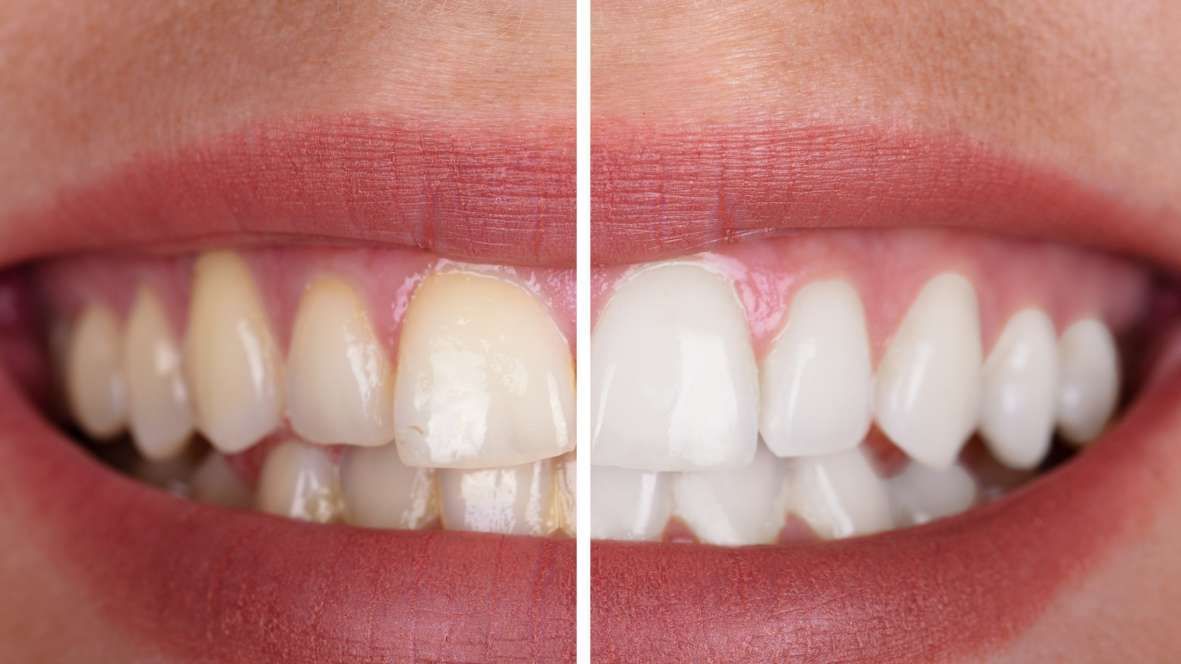
Visible tartar buildup means your home care routine isn't removing all the plaque before it hardens. You can sometimes see tartar as yellow or brown deposits near the gum line, especially on lower front teeth. Once visible, it's well past the point where brushing can help.
Gum recession or sensitivity suggests enamel loss or root exposure. Both conditions benefit from professional assessment before they worsen. If sensitivity is affecting your daily comfort, choosing the right products helps—our guide to whitening toothpaste for sensitive teeth covers options that clean effectively without aggravating the problem.
Loose teeth or changes in bite indicate advanced periodontal disease or other serious issues. These symptoms require immediate evaluation, not a routine cleaning appointment.
Don't assume that sticking to your scheduled cleaning means you've done enough. If something feels wrong between appointments, schedule an evaluation. Early intervention is almost always simpler and less expensive than waiting.
What to Expect During a Teeth Cleaning at Tribeca Smiles
Knowing what happens during a dental cleaning Tribeca patients can expect helps reduce anxiety and ensures you get the most from each visit.
Check-in and review: Your hygienist reviews your medical history, current medications, and any concerns since your last visit. Changes in health—new diagnoses, new medications, pregnancy—can affect your oral care recommendations.
Initial examination: Before cleaning begins, the hygienist examines your mouth for obvious issues: cavities, broken fillings, suspicious lesions, signs of gum disease. Pocket depth measurements establish baseline gum health or track changes from previous visits.
Plaque and tartar removal: Using hand scalers and ultrasonic instruments, the hygienist removes deposits from all tooth surfaces. Ultrasonic scalers use vibration and water to break apart tartar; hand instruments provide precision for detailed work.
You'll hear scraping sounds and feel pressure, but discomfort is minimal for most patients.
Polishing: A rotating rubber cup with gritty paste removes surface stains and smooths tooth surfaces. The paste feels slightly abrasive but doesn't damage enamel. Polishing leaves teeth feeling noticeably smoother.
Flossing: The hygienist flosses between all teeth to remove any remaining debris and check for areas where floss catches or shreds—potential indicators of rough fillings or decay.
Fluoride treatment (optional): A fluoride gel or varnish may be applied to strengthen enamel and reduce cavity risk. The treatment takes a minute or two and requires avoiding food and drink for 30 minutes afterward.
Dentist examination: Your dentist reviews the hygienist's findings, examines your mouth, and discusses any concerns or treatment recommendations. X-rays may be taken periodically to check for problems not visible during clinical examination.
Scheduling: Before you leave, schedule your next cleaning based on your recommended frequency. Booking in advance helps ensure you maintain your schedule rather than letting months slip by.
For patients who experience dental anxiety, Tribeca Smiles offers approaches including nitrous oxide sedation. Our guide on sedation dentistry options explains what's available.
Maintaining Your Smile Between Cleanings
Professional cleanings address what home care can't, but what you do between appointments still matters. Good daily habits reduce tartar formation and keep your gums healthier, which means easier cleanings and better long-term outcomes.
Brushing technique matters more than brushing frequency. Two minutes twice daily with a soft-bristled brush covers the
basics. Angle bristles toward the gum line at 45 degrees and use short, gentle strokes. Electric toothbrushes with pressure sensors help prevent over-aggressive brushing that damages gums.
Flossing removes what brushing misses. The spaces between teeth harbor bacteria that brushing can't reach. Daily flossing—or using interdental brushes or water flossers—prevents plaque from hardening in these areas.
Whitening products can complement your routine without compromising oral health, as long as you choose formulas appropriate for your sensitivity level. For patients who want to maintain brightness between cleanings and professional whitening treatments, we've reviewed the top whitening toothpastes for 2026, best whitening strips for sensitive teeth, and professional whitening pens.
For more dramatic whitening results, professional treatments like KöR whitening deliver what at-home products cannot. Learn about KöR whitening costs and how the treatment can transform your smile.
Frequently Asked Questions
Does a teeth cleaning hurt?
Standard prophylaxis causes minimal discomfort for most patients. You may feel pressure during tartar removal and slight sensitivity during scaling near the gum line, but actual pain is uncommon. Patients with significant tartar buildup, gum inflammation, or sensitive teeth may experience more discomfort. Deep cleaning typically involves local anesthesia to ensure comfort during subgingival scaling.
How long does a dental cleaning take?
Routine cleanings take 30-60 minutes depending on the amount of buildup and whether additional services like X-rays or fluoride treatment are included. Deep cleaning appointments are longer—often 1-2 hours—and may be split across multiple visits to address one quadrant of the mouth at a time.
Can I just brush and floss instead?
Brushing and flossing are essential but not sufficient. Even with perfect technique, you cannot remove tartar once it forms—only professional instruments can do that safely. And most people don't have perfect technique. Studies consistently show that professional cleanings reduce gum disease and tooth loss rates compared to home care alone.
How soon after a cleaning can I eat?
You can eat immediately after a standard cleaning unless you received fluoride treatment, which requires waiting 30 minutes. After deep cleaning, stick to soft foods for a day or two and avoid hot, spicy, or crunchy items that might irritate sensitive gums.
Will my insurance cover teeth cleaning?
Most dental insurance plans cover two preventive cleanings per year at 100%. Additional cleanings for periodontal maintenance may be partially covered depending on your plan. Check with your insurance provider to understand your specific coverage before scheduling.
Book Your Next Dental Cleaning in Lower Manhattan
Your cleaning schedule should match your mouth, not a generic calendar. Patients with healthy gums and minimal buildup may do fine with twice-yearly visits. Those with gum disease history, heavy tartar formation, or risk factors like smoking or diabetes often need cleanings every 3-4 months to prevent progression.
If you're unsure whether your current schedule is right, or if you're overdue for a cleaning, now is the time to get back on track. Putting off dental care allows small problems to become expensive ones.
Dr. Frederick Solomon at Tribeca Smiles provides comprehensive dental care in the heart of Lower Manhattan. From routine cleanings to periodontal treatment and full cosmetic restorations, his practice combines modern technology with personalized attention. For patients who experience dental anxiety,
Dr. Solomon collaborates with his wife, Dr. Danielle Solomon, to integrate Traditional Chinese Medicine techniques for a calmer, more comfortable experience.
Schedule your cleaning today and get a recommendation tailored to your specific oral health needs.